Understanding Blood Sugar, Diabetes Risk & Early Detection
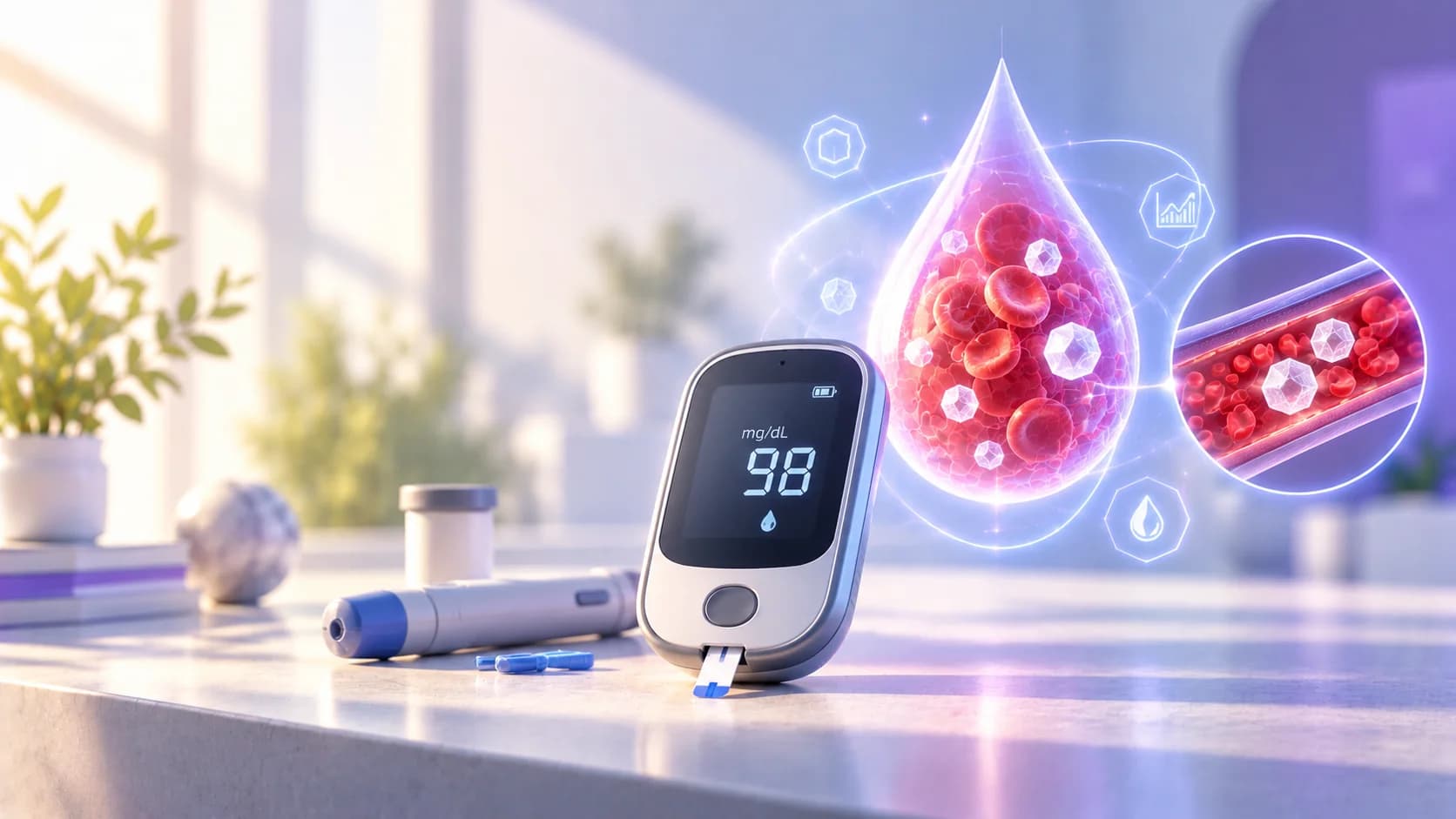
Diabetes is a condition in which blood glucose levels remain higher than normal because the body does not produce enough insulin, does not use insulin effectively, or both.
Some people may have diabetes or prediabetes without obvious symptoms. Screening can therefore play an important role in identifying potential problems early.
What Does Diabetes Screening Assess?
Depending on the individual's circumstances, healthcare professionals may use blood tests to assess glucose levels.
Common tests may include:
- Fasting blood glucose
- HbA1c
- Other glucose testing where clinically appropriate
The appropriate test depends on the individual's health, risk factors and medical history.
Who May Benefit From Screening?
Screening may be particularly relevant for people with certain risk factors, including family history, excess weight, physical inactivity or previous elevated blood glucose.
People who already have symptoms or risk factors should discuss appropriate testing with a healthcare professional.
Possible Symptoms of Diabetes
Some people with diabetes may experience:
- Increased thirst
- Frequent urination
- Increased hunger
- Unexplained weight changes
- Fatigue
- Blurred vision
- Slow-healing wounds
These symptoms can have other causes and do not by themselves confirm diabetes.
What Happens After Screening?
An abnormal screening result does not necessarily establish a diagnosis on its own. Your healthcare provider may recommend repeat testing or additional assessment.
If diabetes or prediabetes is confirmed, appropriate management can then be discussed based on the individual's condition.
Prevention & Long-Term Health
For people at increased risk of type 2 diabetes, healthy eating, regular physical activity, weight management and appropriate medical follow-up can form part of a broader preventive health strategy.
Explore Preventive Healthcare