Understanding Your Blood Pressure & What Your Numbers Mean
Blood pressure measures the force of blood against the walls of your arteries as your heart pumps. It naturally changes throughout the day and can be influenced by factors such as activity, stress, sleep and other health conditions.
Regular assessment can help identify persistently elevated blood pressure and support appropriate medical follow-up.
Why Is Blood Pressure Assessment Important?
High blood pressure may not cause obvious symptoms, which means a person can have elevated readings without feeling unwell.
Over time, uncontrolled high blood pressure can increase the risk of cardiovascular and other health complications. Identifying elevated readings allows a healthcare professional to determine whether further assessment or management is required.
What Happens During an Assessment?
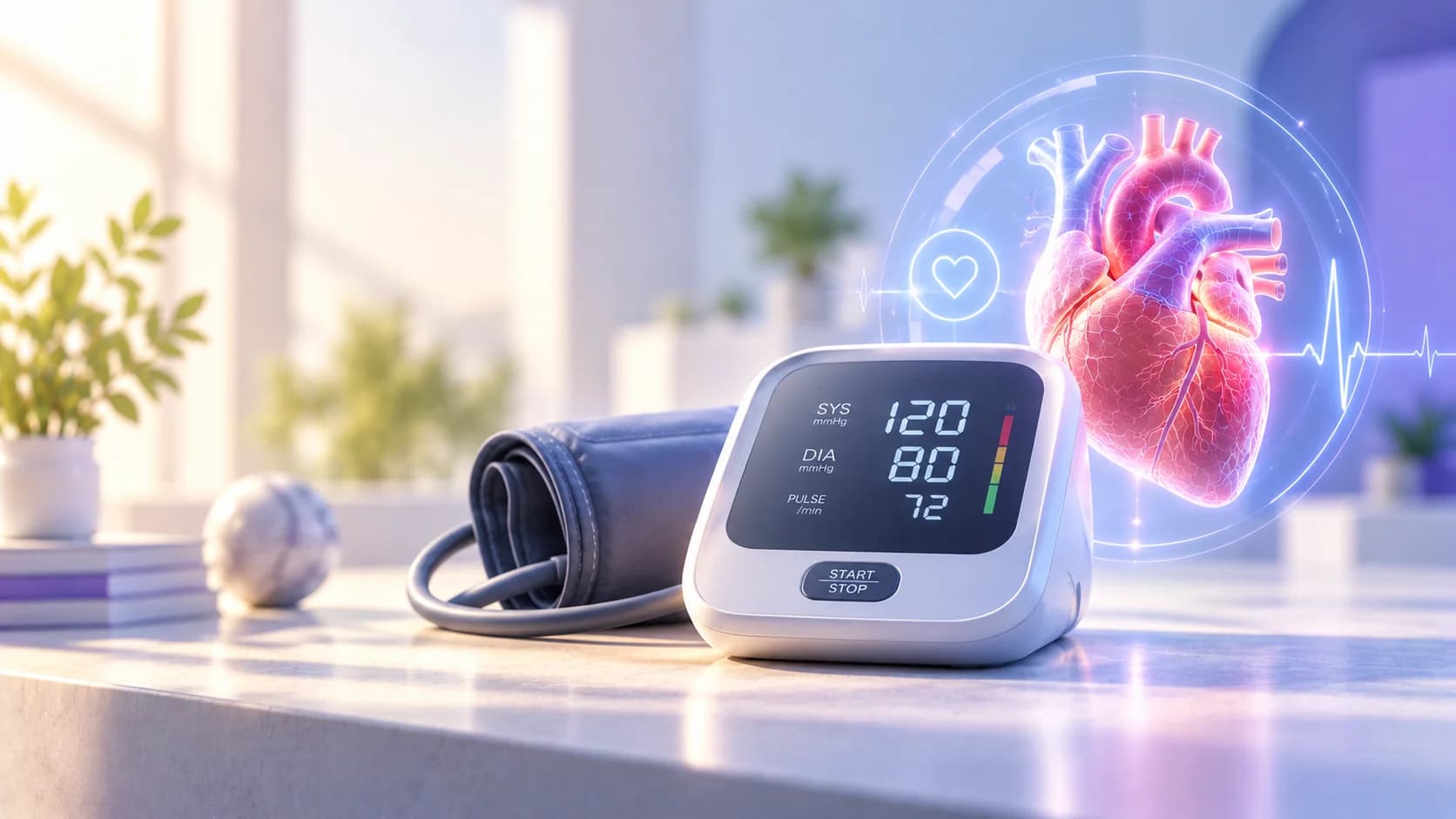
Blood pressure is usually measured using a cuff placed around the upper arm.
Depending on the circumstances, healthcare professionals may recommend repeated measurements rather than relying on a single reading, particularly when an initial result is elevated.
Your healthcare provider will interpret the reading alongside your age, medical history and other cardiovascular risk factors.
Understanding Your Results
Blood pressure is recorded using two numbers:
Systolic pressure — the pressure when the heart contracts.
Diastolic pressure — the pressure when the heart relaxes between beats.
A healthcare professional can explain what your readings mean and whether additional monitoring or assessment is appropriate.
Who May Benefit From Regular Assessment?
Blood pressure monitoring may be particularly important for people with cardiovascular risk factors, a family history of high blood pressure, diabetes, excess weight or other relevant health conditions.
Your healthcare provider can advise how frequently your blood pressure should be checked.
When Should You Speak to a Healthcare Professional?
If you repeatedly receive elevated blood pressure readings, discuss them with a qualified healthcare professional rather than relying on a single measurement.
If you experience symptoms such as severe chest pain, significant difficulty breathing, neurological changes or other potentially serious symptoms, seek urgent medical attention.
Explore Preventive Healthcare